Everything You Need to Know About Dark Web Monitoring
From understanding what the dark web is to checking if your data has been stolen, monitoring your identity, and responding to a breach — 18 expert articles for Hong Kong residents.
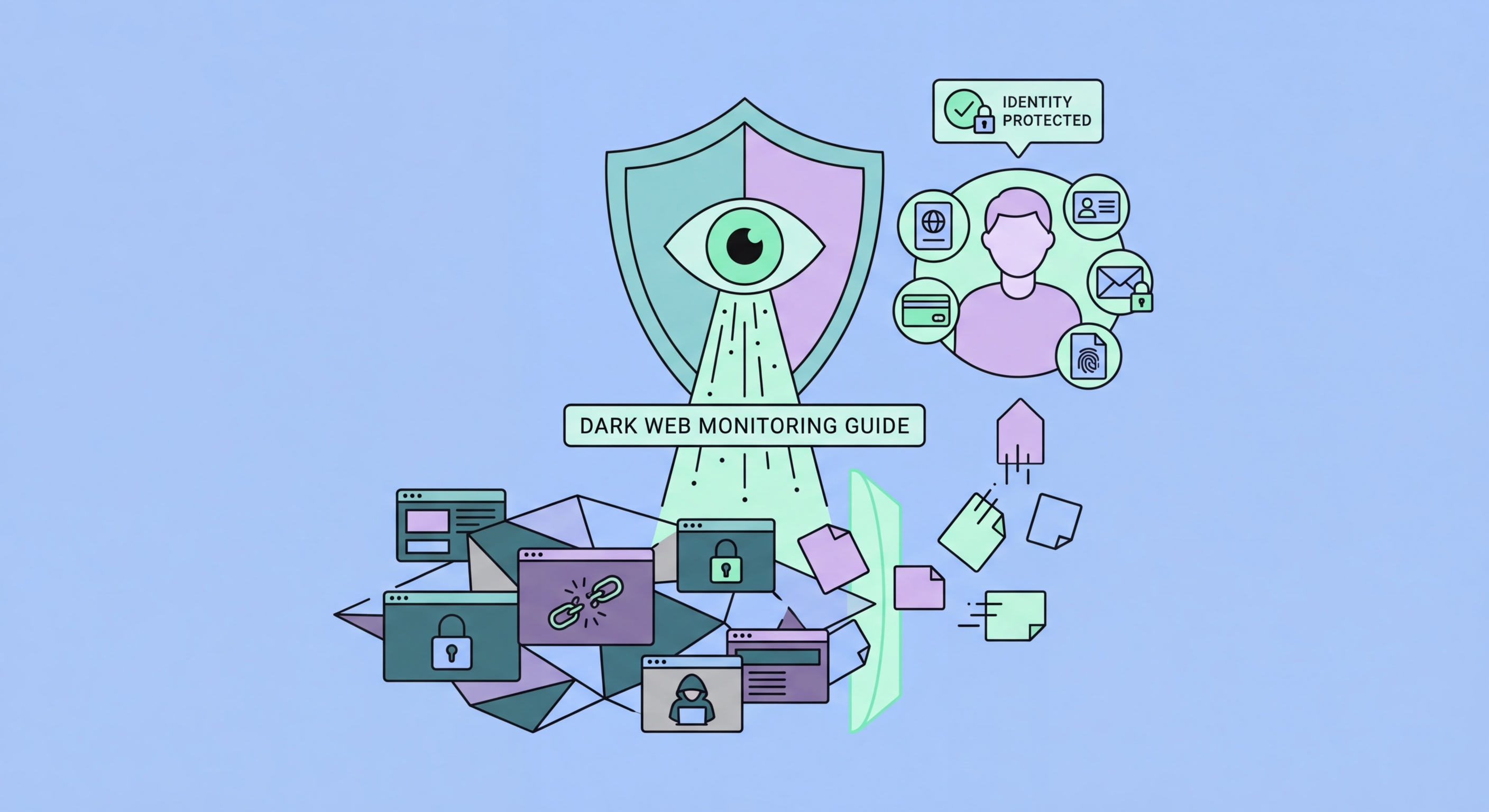
From understanding what the dark web is to checking if your data has been stolen, monitoring your identity, and responding to a breach — 18 expert articles for Hong Kong residents.
The dark web is a section of the internet that is not indexed by standard search engines and requires special software — most commonly the Tor Browser — to access. While the term "dark web" often evokes images of criminal activity, the dark web is also used legitimately by journalists, whistleblowers, privacy advocates, and people in countries with oppressive internet censorship. The relevant concern for Hong Kong residents is not the dark web itself, but what is traded there: stolen personal data, credentials, and financial information from data breaches.
When a company that holds your data experiences a security breach, the stolen records — including email addresses, passwords, identity card numbers, banking details, and personal information — are often sold on dark web forums and marketplaces. These underground markets operate with dedicated customer service, rating systems, and bulk discount pricing. A database of one million email/password combinations might sell for a few hundred US dollars; credit card details with CVV codes might sell for HK$50–200 per card. Your personal data has a very specific market value to cybercriminals.
For Hong Kong residents, data breaches affecting local and international services used in daily life — banking apps, e-commerce platforms, government portals, social media, and loyalty programmes — regularly result in HK user data appearing on dark web markets. The Astro Loyalty breach, various HKID-linked service breaches, and numerous international breaches affecting HK users have collectively exposed millions of Hong Kongers' personal records on the dark web. Monitoring whether your data has been exposed is no longer optional — it's a baseline practice for digital hygiene in 2026.
Data breaches occur when an attacker gains unauthorised access to a system and extracts stored personal data. The compromised organisation may take weeks or months to discover the breach, during which the attacker can exfiltrate millions of records. The stolen data is then either used directly by the attacker (for fraud, account takeover, or targeted attacks) or sold on dark web forums and markets to other criminals. By the time you receive a breach notification — if you receive one at all — your data may already have been available on the dark web for months.
Hong Kong residents are exposed to both local and international data breaches. The Privacy Commissioner for Personal Data (PCPD) receives data breach notifications from organisations subject to the PDPO, but notification is voluntary rather than mandatory for many breach types — meaning many breaches affecting HK residents are never publicly reported. International breaches affecting global platforms (Facebook, LinkedIn, Marriott, Ticketmaster) frequently contain data from HK-registered accounts. The Cantonese-speaking dark web community also runs its own breach markets specifically targeting HK and Taiwan user data.
Understanding breach categories helps prioritise your response. Credential stuffing databases (lists of email/password combinations from multiple breaches) are used to test whether the same credentials work on banking sites, e-commerce, and other services. This is why password reuse is so dangerous: a password leaked from a low-security forum in 2019 may be actively tested against your HSBC or Bank of China account today. HKID number exposure combined with other personal data can enable identity fraud attempts even years after the original breach.

Dark web monitoring services continuously scan dark web forums, marketplaces, paste sites, and breach databases for specific data you provide — email addresses, passwords, phone numbers, HKID numbers, credit card numbers, or passport numbers. When a match is found, the service alerts you so you can take action before attackers exploit the exposed data. The window between when data is first listed on the dark web and when it's actively used for fraud can be narrow — rapid notification and response can prevent loss.
Have I Been Pwned (HIBP), operated by Australian security researcher Troy Hunt, is the most widely trusted free dark web monitoring service. It currently contains over 12 billion records from thousands of data breaches and allows any email address holder to check whether their email and associated passwords appear in known breach databases. HIBP also provides a free notification service that alerts you by email when your address appears in a new breach. For Hong Kong users, HIBP is the essential first check — every HK resident should check all their email addresses on this service immediately.
Paid monitoring services (Norton 360, Aura, Identity Guard, and others) expand coverage beyond email to include phone numbers, HKID numbers, passport numbers, and financial data. They also monitor more obscure dark web sources that HIBP doesn't cover. For most individual users, combining HIBP's free service with the dark web scanning provided by major password managers (1Password, Bitwarden) covers the most important monitoring bases. Paid comprehensive monitoring makes most sense for high-profile individuals with elevated identity theft risk or for businesses protecting employee credentials at scale.

Discovery that your data is on the dark web is not the end of the story — it's the beginning of a response process. The most important immediate action is to change the exposed password everywhere it is used. If you've reused the password anywhere (which you should not do going forward), change it on every service that shares that password. Enable two-factor authentication on all accounts where it isn't already active, prioritising email, banking, and social media. If an HKID number has been exposed, report this to the Privacy Commissioner for Personal Data (PCPD) and contact your bank to add additional security questions or security alerts.
Credit monitoring is a crucial component of identity protection in Hong Kong. The Credit Reference Agency (TransUnion) maintains a credit database used by most HK financial institutions. You can request a copy of your credit report (TransUnion Credit Report) via the TransUnion website — reviewing it for any unauthorised credit applications or accounts is a key identity theft detection measure. If you suspect your identity has been used for credit fraud, report it to the PCPD, your bank, and the HKPF simultaneously.
Long-term identity protection in Hong Kong requires a layered strategy: unique passwords for every account (managed by a password manager); dark web monitoring alerts for all significant email addresses; periodic credit report checks; strong authentication on financial accounts; and awareness of the social engineering tactics used to leverage stolen identity data. The PDPO provides rights including the right to access data held about you and the right to request correction of incorrect data — use these rights with organisations that hold your personal data to limit unnecessary retention.

