Credit Card Fraud Protection: How to Keep Your Cards Safe
Understanding how credit card fraud occurs in Hong Kong and taking targeted steps to prevent it — for both physical and online card use.
Published: March 29, 2026
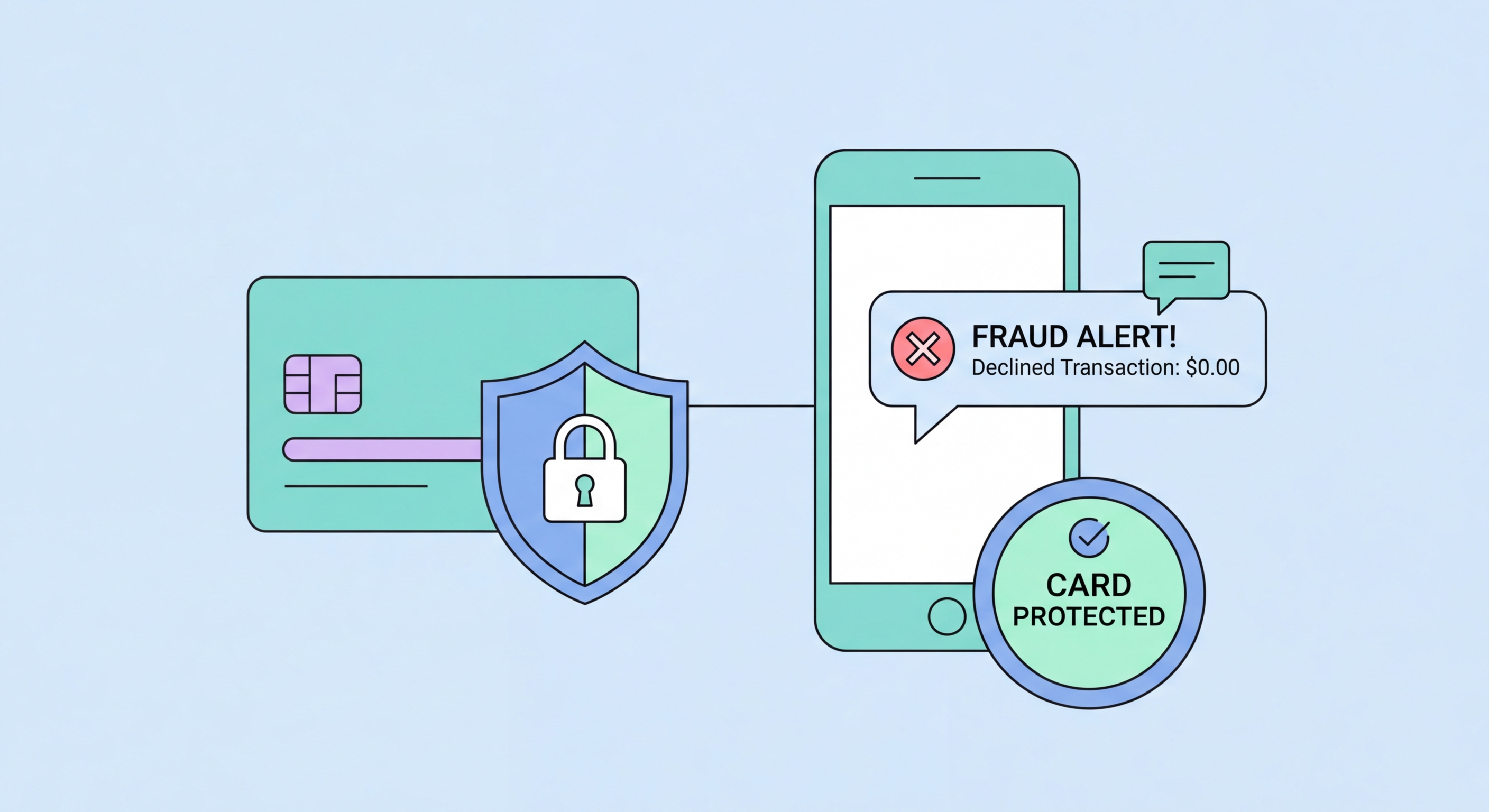
Understanding how credit card fraud occurs in Hong Kong and taking targeted steps to prevent it — for both physical and online card use.
Published: March 29, 2026
Credit card fraud in Hong Kong is a multi-billion Hong Kong dollar problem affecting hundreds of thousands of cardholders annually. The Hong Kong Monetary Authority ↗ (HKMA ↗) and card networks Visa and Mastercard publish statistics showing that while chip-and-PIN technology has dramatically reduced physical counterfeit card fraud, card-not-present (CNP) fraud — online transactions where only the card number, expiry, and CVV are required — has grown proportionally as a share of total fraud losses.
Physical card fraud occurs through several mechanisms. ATM skimming devices capture magnetic stripe data, while tiny cameras record PIN entry. Shoulder surfing in crowded Hong Kong locations — particularly in Mong Kok, Causeway Bay, and Tsim Sha Tsui — allows opportunists to memorise card details. Dishonest staff at restaurants or retail outlets may photograph card details during transactions. Contactless card fraud, though technically possible through RFID scanning in theory, is practically limited because Hong Kong's tap-to-pay systems use dynamic cryptograms for each transaction.
Online fraud is considerably more prevalent. Data breaches at merchants, airlines, hotels, and even large retailers expose card details stored in their systems. Fraudsters purchase these batches of card details on dark web marketplaces and test them against low-value online purchases before escalating to larger transactions. Keyloggers on compromised computers capture card details as they are typed. Formjacking — malicious JavaScript injected into checkout pages — silently harvests payment data from legitimate-looking websites without the merchant's knowledge.

Physical card security begins with awareness of your card's whereabouts at all times. In Hong Kong's dense urban environment — packed MTR trains, busy dim sum restaurants where cards are taken to payment terminals out of sight, crowded market areas — opportunities for card compromise are frequent. The good news is that most physical fraud requires either possession of the card or direct observation of details, making vigilant habits highly effective.
The transition to chip-and-PIN and contactless payments has largely eliminated the threat of magnetic stripe skimming for in-person transactions processed correctly. However, merchants processing transactions without chip or NFC — or in markets and smaller establishments still using swipe terminals — remain a vulnerability. When handing your card to a waiter or cashier, maintain line of sight where possible or request that a portable terminal be brought to your table, which is standard practice in many Hong Kong restaurants.
For contactless payments via NFC, the practical risk of your card being scanned without your knowledge in a crowded location is low — each NFC transaction requires merchant terminal initialisation and generates a one-use cryptographic code, making intercepted transaction data useless for replay attacks. However, if you remain concerned, RFID-blocking card sleeves or wallets prevent NFC scanning altogether. Physical card inspection — checking your card hasn't been tampered with, switched, or retained without your knowledge — should be habitual, particularly after handing it over in any setting.

Online credit card fraud is the dominant threat for Hong Kong cardholders in 2026. As physical card security has improved, fraudsters have pivoted entirely to card-not-present attacks where only the 16-digit card number, expiry date, and three-digit CVV are needed to complete purchases. This data is widely available on dark web markets following the innumerable data breaches at merchants, airlines, hotels, and subscription services over the past decade, meaning your card details may already be in criminal hands.
The most powerful protection against online card fraud is limiting the exposure of your real card number. Virtual card numbers, offered by some HK card issuers and third-party services, generate disposable card numbers linked to your account that can be used for a single merchant or a limited time period. Even if the virtual number is stolen in a data breach, it cannot be used elsewhere. For recurring subscriptions, a dedicated virtual number can be locked to that specific merchant, preventing it from being used fraudulently if compromised.
3D Secure authentication — appearing as "Verified by Visa", "Mastercard Identity Check", or similar prompts during checkout — adds a critical layer of authentication for online card transactions. When triggered, it requires you to approve the transaction via your bank's app, a push notification, or an OTP before the payment proceeds. Ensure all your Hong Kong cards are enrolled in 3D Secure, and be alert to merchants that bypass or disable this verification — their checkouts offer weaker fraud protection.

One of the key advantages of credit cards over debit cards and direct bank transfers is the chargeback mechanism. When fraud is reported promptly, card issuers in Hong Kong are generally required under Visa and Mastercard's network rules to provisionally credit the disputed amount and investigate. The key word is "promptly" — most issuers require fraud to be reported within 30 to 60 days of the statement date, though reporting it within days of discovery significantly improves outcomes.
When reporting fraudulent charges, document everything. Note the transaction date, amount, merchant name, and any reference number. For online fraud, screenshot the transaction details in your banking app before calling. Your bank will cancel the compromised card and issue a replacement, typically within 3 to 5 business days in Hong Kong (or available for immediate collection at some branches). The investigation process under the card network's dispute rules typically takes 30 to 90 days, during which the provisional credit remains on your account.
If your bank rejects a fraud dispute — arguing that you authorised the transaction or failed to report promptly enough — escalate to the HKMA's Banking Complaints team. The HKMA has supervisory authority over all licensed banks in Hong Kong and can compel issuers to reconsider decisions that appear inconsistent with industry standards. In parallel, filing a police report with the CSTCB provides a formal record that may be required for the dispute resolution and establishes a paper trail for insurance claims if applicable.
